Tiny Neighbors of Cape Coral: Why May Is the Most Magical Month for Burrowing Owls

🦉 Tiny Neighbors of Cape Coral: Why May Is the Most Magical Month for Burrowing Owls
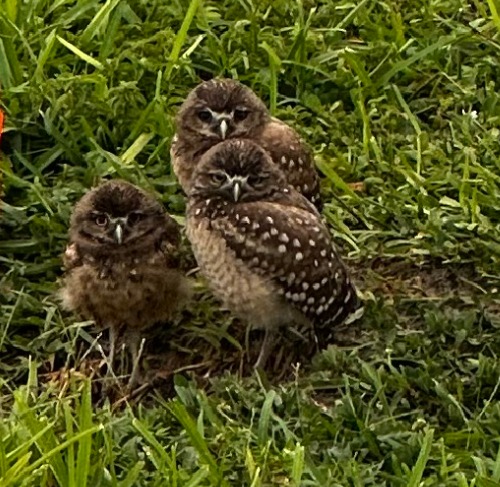
Cape Coral is known for its canals, sunshine, and coastal lifestyle, but one of the city’s most charming features stands only about 7 to 10 inches tall. The Florida burrowing owl, Cape Coral’s official city bird, is a year‑round resident that has become a beloved part of neighborhood life. And if you live here, you know that May is baby season, when fuzzy owlets begin popping their heads out of burrows across the city.
For many residents, including me, spotting these tiny, wide‑eyed owlets on morning walks is one of the purest joys of living in Cape Coral. But beyond their cuteness, burrowing owls are also a conservation success story, thanks to years of community involvement, habitat protection, and scientific monitoring.
This article explores why Cape Coral is home to the largest population of burrowing owls in Florida, what makes May such a special month, and how residents can help protect these remarkable birds.
Cape Coral: The Burrowing Owl Capital of Florida
Cape Coral hosts the largest known population of Florida burrowing owls, a state‑listed threatened species. The city’s open lots, sandy soil, and low vegetation create ideal habitat, and residents have embraced their feathered neighbors with enthusiasm.
The most recent census numbers show just how successful conservation efforts have been:
- 2024 Census: 5,098 owls counted across the city • 2025 Census: 7,008 owls counted, a dramatic increase of nearly 2,000 birds year over year
This upward trend has continued since 2017, supported by coordinated efforts from the City of Cape Coral, the Florida Fish and Wildlife Conservation Commission (FWC), and Cape Coral Friends of Wildlife (CCFW). Volunteers contribute thousands of hours annually to mark burrows, maintain habitat, and educate the public.
May Is Baby Season
Burrowing owls typically begin nesting in February and March, laying 6 to 8 eggs on average. By late April and early May, the chicks begin emerging from the burrow entrance, still covered in soft down and learning to stand upright.
May is the best month to see:
- Owlets practicing short hops • Parents hunting insects and lizards nearby • Families sunning themselves at the burrow entrance • Juveniles learning to navigate their surroundings
The 2024 census specifically recorded both adult and juvenile owls, helping biologists track reproductive success and long‑term population health.
For residents, this is the time when neighborhood walks become a treasure hunt. You never know which familiar burrow will suddenly have a cluster of tiny heads peeking out.
Why Burrowing Owls Thrive in Cape Coral
According to city wildlife specialists, burrowing owls are exceptionally well‑adapted to Cape Coral’s urban landscape. The city’s open, low‑mowed lots mimic natural prairie habitat, and artificial lighting attracts insects, providing a reliable food source.
Additional factors supporting population growth include:
- Starter burrows installed by homeowners • City‑acquired habitat lots funded through FWC grants • Reduced burrow flooding during recent drought conditions, improving chick survival rates • Community reporting of new burrows and concerns via the CCFW hotline
This combination of environmental conditions and community involvement has created one of the most successful urban owl habitats in the country.
A Personal Note: Why I Love May in Cape Coral
Every year, I look forward to May for one simple reason: the owlets. When I walk my neighborhood and see those tiny, fluffy faces blinking up from the burrow, it feels like a reminder of how special Cape Coral truly is.
These owls are more than wildlife. They are part of our community’s identity. They bring neighbors together, spark conversations, and remind us of the importance of protecting the natural world right outside our front doors.
How Residents Can Help Protect Burrowing Owls
If you want to support Cape Coral’s burrowing owls, here are simple, impactful steps:
- Give burrows space and avoid disturbing active nests • Keep pets leashed near burrow sites • Avoid rodent poisons, which can harm owls through their prey • Report new burrows to CCFW • Install a starter burrow if you want to invite owls to your yard • Volunteer for the annual census or habitat maintenance
These small actions help ensure the continued success of Cape Coral’s most iconic residents.
Sources:
- Cape Coral Friends of Wildlife. Burrowing Owl Census Data 2024–2025.
- Florida Fish and Wildlife Conservation Commission. Florida Burrowing Owl Species Profile.
- City of Cape Coral Environmental Resources Division. Burrowing Owl Habitat and Protection Guidelines.
- Audubon Florida. Florida Burrowing Owl Conservation Overview.
Recent Posts